Evidence-first, not hype-first
Electroculture Guide
The honest verdict: plants are electrical organisms, and active electric-field experiments can affect growth under controlled conditions. The viral copper-coil garden method has not earned the same confidence.
Start With The Verdict
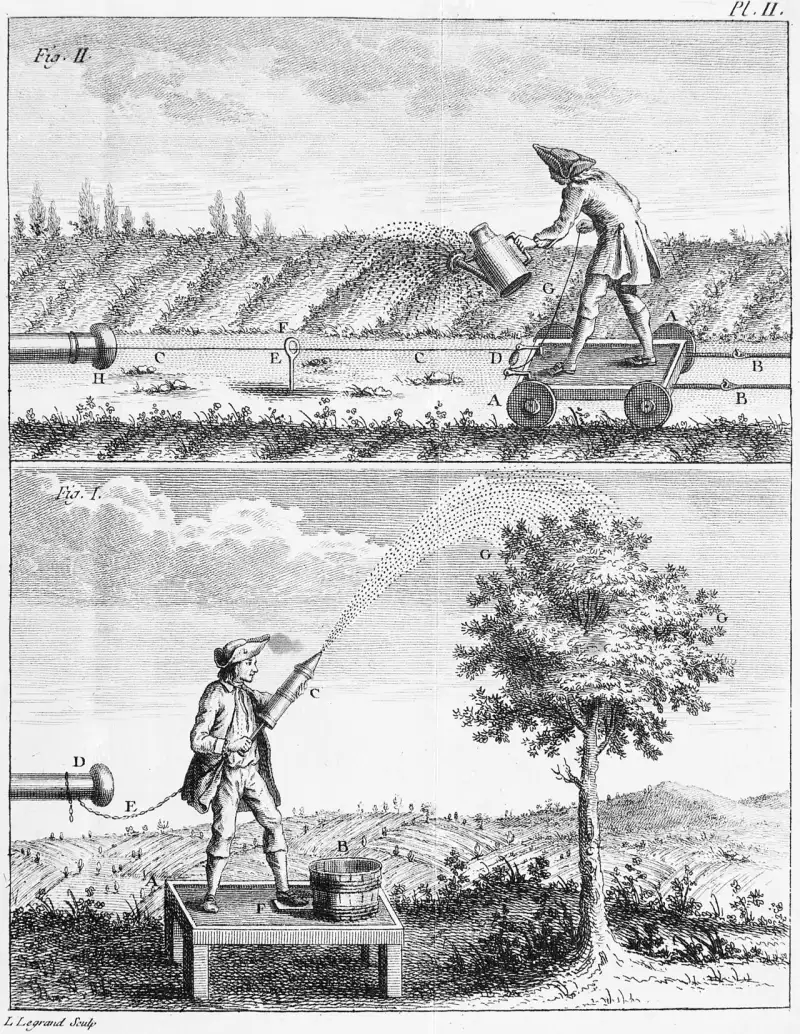
Electroculture is not one claim. It can mean 1780s atmospheric-electricity experiments, 1900s high-voltage field trials, modern plasma agriculture, or a bamboo stake wrapped with copper wire. Those are different interventions, and they deserve different levels of confidence.
Use This Guide By Question
If you came here from a short video, do not start with folklore. Start with the claim, the mechanism, and the design of the test that would prove it.
Definition
What is electroculture?
Separate passive copper stakes from powered electric fields, air ions, soil currents, and plasma treatments.Archive
What did old experiments show?
Bertholon, Lemstrom, Blackman, and USDA experiments, with the controls problem kept visible.Social media
Where did copper coils come from?
How copper antennas, cosmic coils, and anecdotal garden photos became the new face of electroculture.Research
Does it work?
A page-by-page reading of controlled studies, reviews, and the best direct copper-rod test.Free Tools For Better Garden Experiments
The strongest response to electroculture hype is not cynicism. It is a better test: randomized layout before planting, documented copper geometry, and a measured comparison after harvest.
Randomize
Trial Designer
Build a control/treatment layout with blocks, plot labels, blinding notes, and a CSV data log.Document
Antenna Calculator
Calculate passive copper-coil length, pitch, total material, approximate mass, and resistance.Analyze
Results Analyzer
Compare two harvest columns with means, percent difference, Welch t-test output, and a cautious verdict.History Is Interesting. Replication Is The Standard.
The old literature is worth reading because it shows how long people have wanted atmospheric electricity to be agriculturally useful. It is not enough by itself. Field fertility gradients, weather, uneven watering, small sample sizes, and unblinded measurement can all create persuasive stories from weak data.
The practical conclusion for gardeners is narrow: a copper coil is a low-cost experiment, not a proven fertilizer replacement. If you try it, pair it with a control group and measure it like a trial.